
"Specialty Mexico coffee"
500 article(s) found

Mexican Fine Coffee Light Medium Roast Chocolate Ginseng Flavor CEPCO Cooperative
Fine coffee is fresh coffee. Whether it's food or drink, the fresher the better, and so is specialty coffee. Coffee beans should be kept fresh before making fine coffee, including the preservation of roasted beans, and the coffee beans should be ground before making, which is also to retain its most original and best flavor. And hand brewed coffee making is such a way to make fine coffee

Introduction of high-quality Salvadoran coffee producing area-Renas Manor in Kuskabapa area
Salvadoran coffee ranks side by side with Mexico and Guatemala as the producers of Asa and Merdo, and is fighting for the top one or two places in China and the United States with other countries. The highlands of origin are large coffee beans of all sizes, which are fragrant and mild in taste. Like Guatemala and Costa Rica, coffee in El Salvador is graded according to altitude, and the higher the altitude, the better the coffee

A brief introduction to the Market Price of Fine Coffee Bean varieties in Renas Manor of El Salvador with balanced taste
Today, this coffee accounts for 40% of the country's exports. The best quality coffee is exported from January to March, and 35% of the extra hard beans are exported to El Salvador, Germany. Salvadoran coffee refers to coffee produced in the small South American country of El Salvador, which is light, aromatic, pure, slightly sour and characterized by excellent balance of flavor. It is a specialty of Central America. With sour, bitter, sweet and other taste characteristics, the best baking degree

Grinding scale of El Salvador Himalayan Coffee introduction to the taste of manors in the producing areas
Salvadoran coffee ranks side by side with Mexico and Guatemala as the producers of Asa and Merdo, and is fighting for the top one or two places in China and the United States with other countries. The highlands of origin are large coffee beans of all sizes, which are fragrant and mild in taste. Like Guatemala and Costa Rica, coffee in El Salvador is graded according to altitude, and the higher the altitude, the better the coffee

A well-balanced Salvadoran coffee estate. The taste of the region. The taste of Mercedes Estate.
Salvadoran Coffee-Salvadoran Coffee Flavor: Balanced taste, excellent texture Suggestion Roasting method: Medium to deep, versatile High quality beans: Salvadoran SHB Taste characteristics: sour, bitter, sweet Mild and moderate. Salvadoran coffee is tied with Mexico and Guatemala as the producer of Asa and Meldo, and is competing with other countries for the top spot in Central America.
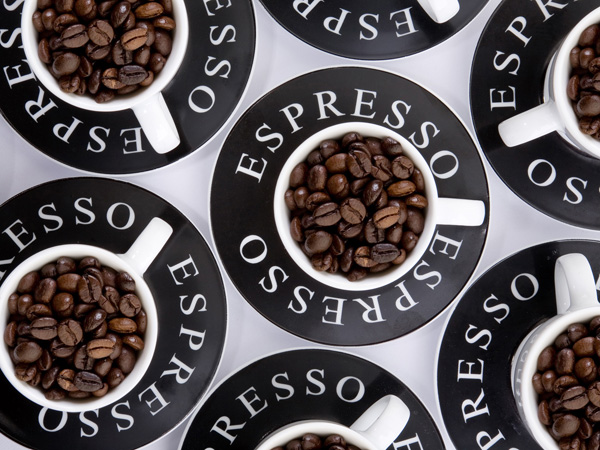
Coffee blending is not that simple the difference between individual coffee and blended coffee Italian coffee
What is matching? Since it is a blending, it naturally refers to the blending of more than two kinds of raw beans, but it can also match the same kind of coffee beans with different roasting degrees, or even new crop and aged coffee or old crop of the same kind of coffee beans, so the type referred to in the blending is no longer a coffee variety in a narrow sense, but extended to coffee in a broad sense.

Taste balanced El Salvador Coffee Manor Flavor introduction Mercedes Manor
Salvadoran coffee-Salvadoran coffee flavor: balanced taste, excellent texture suggested roasting method: medium to deep, there are many uses of quality beans: Salvadoran SHB taste characteristics: sour, bitter, sweet mild moderate. Salvadoran coffee ranks side by side with Mexico and Guatemala as the producers of Asa and Merdo, and is fighting for the first place in China and the United States with other countries.
Introduction to the famous coffee beans in El Salvador
Flavor: balanced taste, excellent texture suggested baking method: medium to deep, there are many uses of high-quality beans: El SHB taste characteristics: sour, bitter, sweet mild and moderate. Salvadoran coffee ranks side by side with Mexico and Guatemala as the producers of Asa and Merdo, and is fighting for the top one or two places in China and the United States with other countries. The highland of origin is equal in size and size.

Fragrant and authentic Salvadoran Coffee Flavor Taste the characteristics of Manor production area introduction to Renas Manor
Salvadoran coffee ranks side by side with Mexico and Guatemala as the producers of Asa and Merdo, and is fighting for the top one or two places in China and the United States with other countries. The highlands of origin are large coffee beans of all sizes, which are fragrant and mild in taste. Like Guatemala and Costa Rica, coffee in El Salvador is graded according to altitude, and the higher the altitude, the better the coffee

Introduction to the flavor and taste of El Salvador Coffee Manor with mild and moderate sweetness
Salvadoran coffee-Salvadoran coffee flavor: balanced taste, excellent texture suggested roasting method: medium to deep, there are many uses of quality beans: Salvadoran SHB taste characteristics: sour, bitter, sweet mild moderate. Salvadoran coffee ranks side by side with Mexico and Guatemala as the producers of Asa and Merdo, and is fighting for the first place in China and the United States with other countries.

What are the characteristics of Guatemalan coffee? Guatemalan coffee American specialty dangerous land
[guide] the Ekatlago Valley rises to 2000 meters (6500 feet), with dense shade and unique ecology, and the nearby Fuego volcano erupts, making its coarse, sandy soil rich in various minerals. Temperate sea breezes from the Pacific Ocean and seasonal climate have raised the Ekatangol Valley in Guatemala Guatemala to 2000 meters (6500 feet).

Salvadoran coffee features Salvadoran coffee flavor
Salvadoran coffee refers to the coffee produced in the small South American country of El Salvador, where the coffee body is light, aromatic, pure, slightly sour, the flavor is extremely balanced, is a specialty of Central America. With sour, bitter, sweet and other taste characteristics, the best baking degree is moderate, deep. In the early 1990s, guerrilla warfare greatly damaged the country's national economy, increasing coffee production from the early 1970s.

Flavor description of Salvadoran coffee beans introduction to the manor with the treatment method in the producing area
Salvadoran coffee ranks side by side with Mexico and Guatemala as the producers of Asa and Merdo, and is fighting for the top one or two places in China and the United States with other countries. The highlands of origin are large coffee beans of all sizes, which are fragrant and mild in taste. Like Guatemala and Costa Rica, coffee in El Salvador is graded according to altitude, and the higher the altitude, the better the coffee

The best balance of El Salvador Everest fine coffee bean varieties planting market price profile
Salvadoran coffee is tied with Mexico and Guatemala as the producer of Asa and Meldo, and is competing with other countries for the top one or two places in Central America. Highland origin, for the size of large coffee beans, fragrant taste mild. As in Guatemala and Costa Rica, coffee in El Salvador is graded according to altitude, with the higher the altitude, the better the coffee.

Introduction to the Origin and Culture of Coffee beans
● Colombia produces coffee second only to Brazil, accounting for 12% of the world's total production. Although it ranks lower than Brazil, its coffee beans are of good quality. Coffee trees are planted in the highlands and cultivated in small areas. After careful harvest and wet processing, the coffee produced is beautiful in quality, rich in flavor and unique in flavor, whether it is single drink or mixed.

Characteristics of flavor, baking method and taste of Salvadoran coffee
In Cuscacbapa, El Salvador, packaged coffee beans are about to be exported to El Salvador. Coffee from El Salvador is a specialty of Central America, where it is light, aromatic, pure and slightly sour. Like Guatemala and Costa Rica, coffee in El Salvador is graded according to altitude, and the higher the altitude, the better the coffee. The best brand is Pipil

The concept of Fine Coffee Specialty Coffee (1)
The traditional classification of coffee beans is usually based on the classification criteria defined by the coffee producing countries, and then agreed to become common in the international market and traded under such a tacit understanding. For a long time, coffee producing countries have their own classification and evaluation criteria for coffee, which serve as the pricing guidelines in the coffee market. But slowly in recent years, coffee consuming countries have begun to demand unified evaluation criteria.

Introduction of Ethiopian caffeine content sun-dried Shaquisol G1 low-caffeine coffee
Professional barista exchanges please follow the coffee workshop (Wechat official account cafe_style) Ethiopia low caffeine series Shakiso G1 sun Ethiopia Decaf Shakisso G1 Natural 0.1% very low caffeine flavor is very refreshing Mountain Water Decaf is the use of Mexico's highest peak Pico de Orizaba (elevation 5500m) mountain spring water to remove caffeine

A brief introduction to the planting Market Price of El Qomolangma Fine Coffee Bean varieties
Salvadoran coffee ranks side by side with Mexico and Guatemala as producers of Asa and Merdo, and is fighting for the top one or two places in China and the United States with other countries. The highlands of origin are large coffee beans of all sizes, which are fragrant and mild in taste. Like Guatemala and Costa Rica, coffee in El Salvador is graded according to altitude, and the higher the altitude, the better the coffee
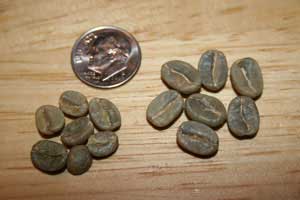
Knowledge points of Coffee Raw Bean: the concept of Fine Coffee Specialty Coffee (1)
The traditional classification of coffee beans is usually based on the classification criteria defined by the coffee producing countries, and then agreed to become common in the international market and traded under such a tacit understanding. For a long time, coffee producing countries have their own classification and evaluation criteria for coffee, which serve as the pricing guidelines in the coffee market. But slowly in recent years, coffee consuming countries have begun to demand unified evaluation criteria.